THE LEDERMANN FAMILY.
This page is a tribute to the courage and strength of Barbara Ledermann, who lost her entire family yet found the strength to carry on.
The Jewish Ledermann family came from Germany and fled to the Netherlands in 1933 to escape the Nazi regime.
The Jewish Ledermann family came from Germany and fled to the Netherlands in 1933 to escape the Nazi regime.

The Ledermann family consisted of four people: Franz Anton Israel Ledermann, born on October 16, 1889, in Hirschberg im Riesengebirge, now called Jelenia Góra, Lower Silesia. Before the war this town was in Germany, and after the war it became part of Poland.
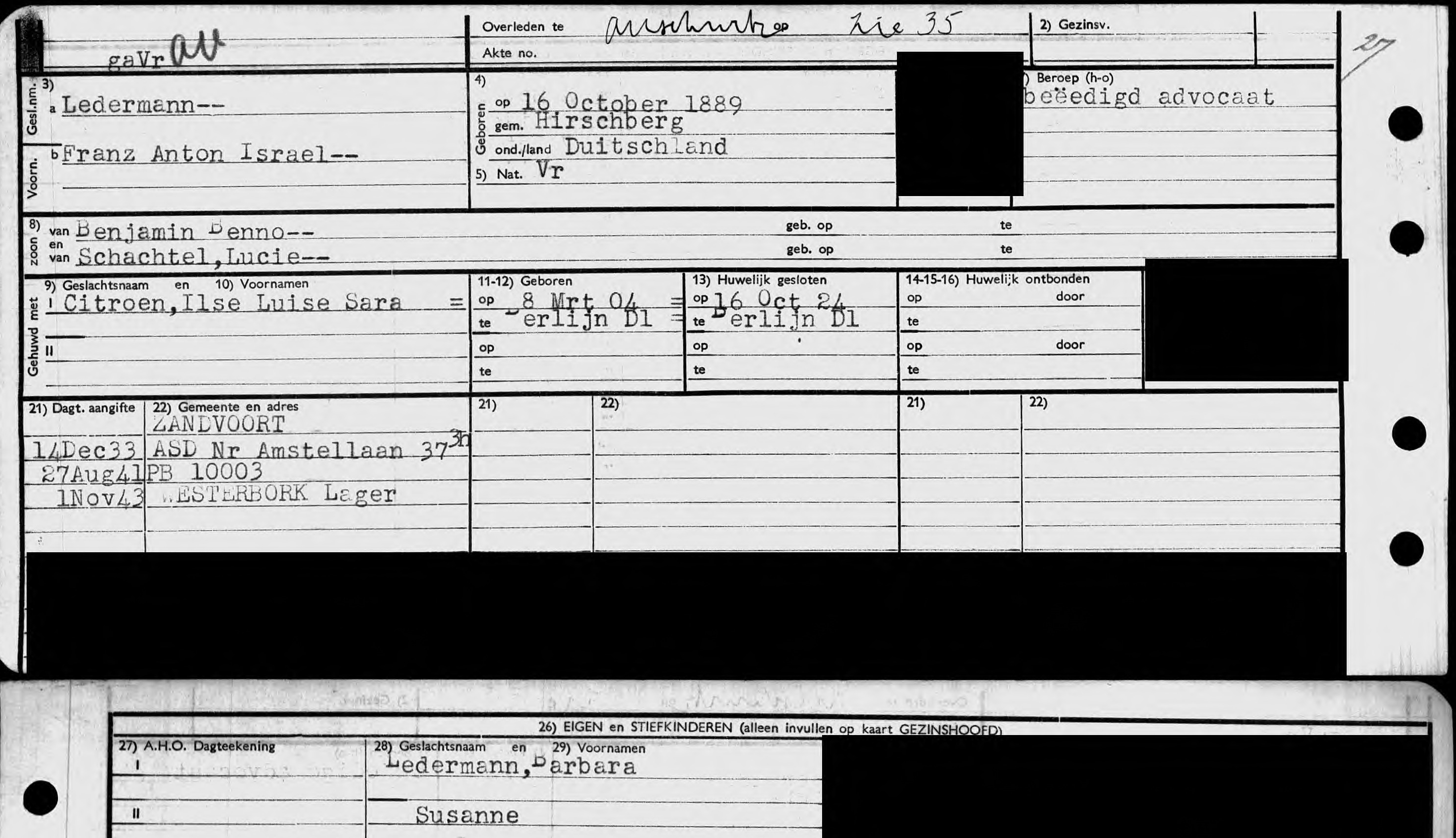
According to the above map from the Amsterdam City Archives, he held German nationality, was a lawyer and a professional advisor. The family settled at Noorder Amstellaan 37, third floor, on December 14, 1933, coming from Zandvoort. The Ledermann family had been on vacation there, and during this holiday, their Dutch relatives advised them to settle in the Netherlands.
Franz Ledermann was initially not in favor of this idea, as he had a successful law practice in Berlin. However, after the Nazis prohibited Jewish lawyers from representing non-Jewish clients, Franz decided it would be better to start anew in the Netherlands. After an additional three years of study, he was qualified to work as a lawyer there as well. He found employment with a Dutch lawyer whose clientele mainly consisted of Jewish refugees who had fled to the Netherlands.
In early 1941, Franz Ledermann began doing official translation work for the Jewish Council of Amsterdam. This work postponed his deportation for a while. He hoped that those who obeyed the Germans’ orders would not get into trouble and refused to believe the gruesome stories about the “labor camps,” even after deportations began in 1942.
On June 20, 1943, Franz, his wife, and daughter Susanne were deported to Westerbork. On November 16, 1943, they were transported with “Transport 81” from Westerbork to Auschwitz-Birkenau. This transport consisted of 995 people, including 228 children, all crammed into 27 wagons. Immediately upon arrival on November 19, 1943, Franz Ledermann was murdered by the Nazis. He was 54 years old. See Family Franz Ledermann.
Ilse Luise Ledermann-Citroen married Franz on October 16, 1924, in Berlin.
Ilse’s father, Hendrik Roelof Citroen, was of Dutch origin and was born on January 18, 1865, in Amsterdam. He started a fur trading business in Berlin and married Ellen Philippi there on March 18, 1893. He died in Berlin on October 9, 1937, and she died in Bergen-Belsen concentration camp on January 6, 1945.
Ilse Luise Ledermann was born on March 8, 1904, in Berlin. She initially considered going into hiding but ultimately chose to follow her husband, with tragic consequences. She too died on November 19, 1943, in Auschwitz-Birkenau, aged almost 40.
Barbara Ledermann was born on September 4, 1925, in Berlin. She was eight years old when the family moved to Amsterdam, near the Frank family. It must have been quite an adjustment—from a large house at Genthinerstrasse 5A in Berlin with servants to a third-floor apartment. Barbara loved horseback riding and dancing. Both Barbara and her younger sister Susanne became friends with Margot and Anne Frank.
After the outbreak of the war and the German occupation, Barbara managed to obtain false papers through her boyfriend Manfred Grünberg (1923–2013), who had contacts in the resistance. Manfred had convinced her that the Germans’ “labor camps” meant certain death. Barbara was 17 when she left the apartment on Noorder Amstellaan.
She danced in the ballet of Yvonne Georgi, a famous ballerina at the time, who was rumored to be a friend of Hitler. Many German officers attended the performances, but Barbara continued her resistance work—finding hiding places for Jews, distributing illegal newspapers, etc. When her friends decided performing had become too dangerous for her, they revealed her true identity to Yvonne Georgi, who subsequently dismissed her. Georgi never told anyone the truth of the situation. Despite losing her excuse to be out after curfew as a dancer, Barbara continued her resistance work.
After the war, she continued to dance, act, and work as a model but decided to leave the Netherlands. On November 11, 1947, she arrived in New York aboard the Queen Mary. In America, she began performing with the Ringling Brothers Circus. When she grew tired of traveling with the circus, she settled in Baltimore, where she sold cosmetics. There, she met Martin Rodbell (1925–1998) through an amateur theater group. He would later receive the 1994 Nobel Prize in Physiology or Medicine. They married on September 10, 1950, and had four children: Paul Francis, Phillip, Suzanne, and Andrew. On October 1, 1950, she applied for U.S. citizenship, which was granted in 1953.
Susanne Ledermann was born on October 8, 1928, in Berlin. At age six, she attended a public school in Amsterdam, the Jeker School, but seven years later, the Germans forced her to attend a Jewish school. Many of Susanne’s friends were also German-Jewish refugees, including Anne Frank. When Susanne was little, the family had a sandbox behind their house where Anne Frank also came to play. According to Anne, Susanne wrote beautiful poetry. She helped Anne Frank to write an essay called "Kwek, kwek, kwek, zei juffrouw Snaterbek". A story of father Goose, mother Goose and their three kids who talked too much. Like Anne did in their classroom. that why she had to write this essay.
Like her parents, Susanne died on November 19, 1943, in Auschwitz-Birkenau. She was only 15 years old.
In the Dutch newspapers.
According to the above map from the Amsterdam City Archives, he held German nationality, was a lawyer and a professional advisor. The family settled at Noorder Amstellaan 37, third floor, on December 14, 1933, coming from Zandvoort. The Ledermann family had been on vacation there, and during this holiday, their Dutch relatives advised them to settle in the Netherlands.
Franz Ledermann was initially not in favor of this idea, as he had a successful law practice in Berlin. However, after the Nazis prohibited Jewish lawyers from representing non-Jewish clients, Franz decided it would be better to start anew in the Netherlands. After an additional three years of study, he was qualified to work as a lawyer there as well. He found employment with a Dutch lawyer whose clientele mainly consisted of Jewish refugees who had fled to the Netherlands.
In early 1941, Franz Ledermann began doing official translation work for the Jewish Council of Amsterdam. This work postponed his deportation for a while. He hoped that those who obeyed the Germans’ orders would not get into trouble and refused to believe the gruesome stories about the “labor camps,” even after deportations began in 1942.
On June 20, 1943, Franz, his wife, and daughter Susanne were deported to Westerbork. On November 16, 1943, they were transported with “Transport 81” from Westerbork to Auschwitz-Birkenau. This transport consisted of 995 people, including 228 children, all crammed into 27 wagons. Immediately upon arrival on November 19, 1943, Franz Ledermann was murdered by the Nazis. He was 54 years old. See Family Franz Ledermann.
Ilse Luise Ledermann-Citroen married Franz on October 16, 1924, in Berlin.
Ilse’s father, Hendrik Roelof Citroen, was of Dutch origin and was born on January 18, 1865, in Amsterdam. He started a fur trading business in Berlin and married Ellen Philippi there on March 18, 1893. He died in Berlin on October 9, 1937, and she died in Bergen-Belsen concentration camp on January 6, 1945.
Ilse Luise Ledermann was born on March 8, 1904, in Berlin. She initially considered going into hiding but ultimately chose to follow her husband, with tragic consequences. She too died on November 19, 1943, in Auschwitz-Birkenau, aged almost 40.
Barbara Ledermann was born on September 4, 1925, in Berlin. She was eight years old when the family moved to Amsterdam, near the Frank family. It must have been quite an adjustment—from a large house at Genthinerstrasse 5A in Berlin with servants to a third-floor apartment. Barbara loved horseback riding and dancing. Both Barbara and her younger sister Susanne became friends with Margot and Anne Frank.
After the outbreak of the war and the German occupation, Barbara managed to obtain false papers through her boyfriend Manfred Grünberg (1923–2013), who had contacts in the resistance. Manfred had convinced her that the Germans’ “labor camps” meant certain death. Barbara was 17 when she left the apartment on Noorder Amstellaan.
She danced in the ballet of Yvonne Georgi, a famous ballerina at the time, who was rumored to be a friend of Hitler. Many German officers attended the performances, but Barbara continued her resistance work—finding hiding places for Jews, distributing illegal newspapers, etc. When her friends decided performing had become too dangerous for her, they revealed her true identity to Yvonne Georgi, who subsequently dismissed her. Georgi never told anyone the truth of the situation. Despite losing her excuse to be out after curfew as a dancer, Barbara continued her resistance work.
After the war, she continued to dance, act, and work as a model but decided to leave the Netherlands. On November 11, 1947, she arrived in New York aboard the Queen Mary. In America, she began performing with the Ringling Brothers Circus. When she grew tired of traveling with the circus, she settled in Baltimore, where she sold cosmetics. There, she met Martin Rodbell (1925–1998) through an amateur theater group. He would later receive the 1994 Nobel Prize in Physiology or Medicine. They married on September 10, 1950, and had four children: Paul Francis, Phillip, Suzanne, and Andrew. On October 1, 1950, she applied for U.S. citizenship, which was granted in 1953.
Susanne Ledermann was born on October 8, 1928, in Berlin. At age six, she attended a public school in Amsterdam, the Jeker School, but seven years later, the Germans forced her to attend a Jewish school. Many of Susanne’s friends were also German-Jewish refugees, including Anne Frank. When Susanne was little, the family had a sandbox behind their house where Anne Frank also came to play. According to Anne, Susanne wrote beautiful poetry. She helped Anne Frank to write an essay called "Kwek, kwek, kwek, zei juffrouw Snaterbek". A story of father Goose, mother Goose and their three kids who talked too much. Like Anne did in their classroom. that why she had to write this essay.
Like her parents, Susanne died on November 19, 1943, in Auschwitz-Birkenau. She was only 15 years old.
In the Dutch newspapers.


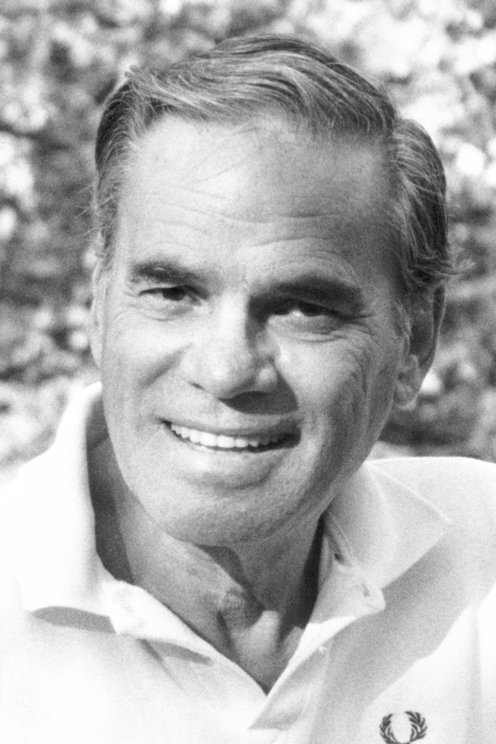


Martin Rodbell.
Yvonne Georgi.
Marriage picture of Barbara en Martin.
Mother and daughters in Beekbergen 1941.
Franz with his daughters Barbara and Suzanne.
Genthiner Strasse, Berlijn.
Franz Ledermann was born here..
Pre war phonebook in which Franz is mentioned.
How must Barbara have felt when, at just 17 years old, she left her parental home? She assumed a new identity and went to live on her own. The ballet company in which she danced regularly performed for German officers, with all the risks that entailed for Barbara.
Did she try to persuade her parents to go into hiding? And how must she have felt when she couldn’t convince them—and they were deported together with her little sister Sanne, who was so very fond of her?
“I had always been willful and very much my own person. If I believed in something, I tried to follow up on it.” -
Barbara Ledermann Rodbell
Did she try to persuade her parents to go into hiding? And how must she have felt when she couldn’t convince them—and they were deported together with her little sister Sanne, who was so very fond of her?
“I had always been willful and very much my own person. If I believed in something, I tried to follow up on it.” -
Barbara Ledermann Rodbell
Barbara Ledermann came to the Netherlands in 1933 with her parents and younger sister Susanne. Her mother was a sister of the artist Paul Citroen (1896-1983).
Like Margot, she attended the Jeker School. Margot was a great help to her with her schoolwork. She had ballet lessons from Hans Snoek, the later founder of the Scapino Ballet. In 1941, a photographer took photos of Barbara and Joyce van der Veen during their ballet exercises.
When the deportations started in July 1942, Barbara was exempted because of connections with the Jewish Council. Nevertheless, her parents had her vaccinated against cholera and typhus, just to be sure.
Later, with the help of friends, she managed to change her identity. She got through the years of occupation under the name Barbara Waarts. In this false identity, the first names of the parents and the date and place of birth were correct. On 5 July 1944 she also received a new identity card under the name Waarts. After the liberation her registration card in the Population Register was labelled 'False'.
Her going into hiding was against the will of her parents. When she lived under the pseudonym Waarts for eight months, she went to visit her parents. Because the neighbours knew her, she put a Jewish star on her clothes. She was at home one evening and night. The next morning, 20 June 1943, the raid took place during which the last large group of Jews in the neighbourhood was picked up. Barbara removed her star and left the house unharmed. Her father, mother and sister Susanne were taken away that day.
In June 1947, Otto Frank sent her a copy of The Secret Annex with an accompanying note. She thanked him on 10 September 1947, writing that she had now succeeded in accepting life as others have accepted religion: without understanding it.
In October 1947, Barbara, who was the only survivor from her family, left for the United States.
She married physicist Martin Rodbell and had four children with him.
In 1999, she one of three Jewish women portrayed in the documentary Daring to Resist: Three Women Face the Holocaust. Barbara Ledermann's story forms one of the personalised tour brochures of the United States Holocaust Memorial Museum in Washington.
Like Margot, she attended the Jeker School. Margot was a great help to her with her schoolwork. She had ballet lessons from Hans Snoek, the later founder of the Scapino Ballet. In 1941, a photographer took photos of Barbara and Joyce van der Veen during their ballet exercises.
When the deportations started in July 1942, Barbara was exempted because of connections with the Jewish Council. Nevertheless, her parents had her vaccinated against cholera and typhus, just to be sure.
Later, with the help of friends, she managed to change her identity. She got through the years of occupation under the name Barbara Waarts. In this false identity, the first names of the parents and the date and place of birth were correct. On 5 July 1944 she also received a new identity card under the name Waarts. After the liberation her registration card in the Population Register was labelled 'False'.
Her going into hiding was against the will of her parents. When she lived under the pseudonym Waarts for eight months, she went to visit her parents. Because the neighbours knew her, she put a Jewish star on her clothes. She was at home one evening and night. The next morning, 20 June 1943, the raid took place during which the last large group of Jews in the neighbourhood was picked up. Barbara removed her star and left the house unharmed. Her father, mother and sister Susanne were taken away that day.
In June 1947, Otto Frank sent her a copy of The Secret Annex with an accompanying note. She thanked him on 10 September 1947, writing that she had now succeeded in accepting life as others have accepted religion: without understanding it.
In October 1947, Barbara, who was the only survivor from her family, left for the United States.
She married physicist Martin Rodbell and had four children with him.
In 1999, she one of three Jewish women portrayed in the documentary Daring to Resist: Three Women Face the Holocaust. Barbara Ledermann's story forms one of the personalised tour brochures of the United States Holocaust Memorial Museum in Washington.
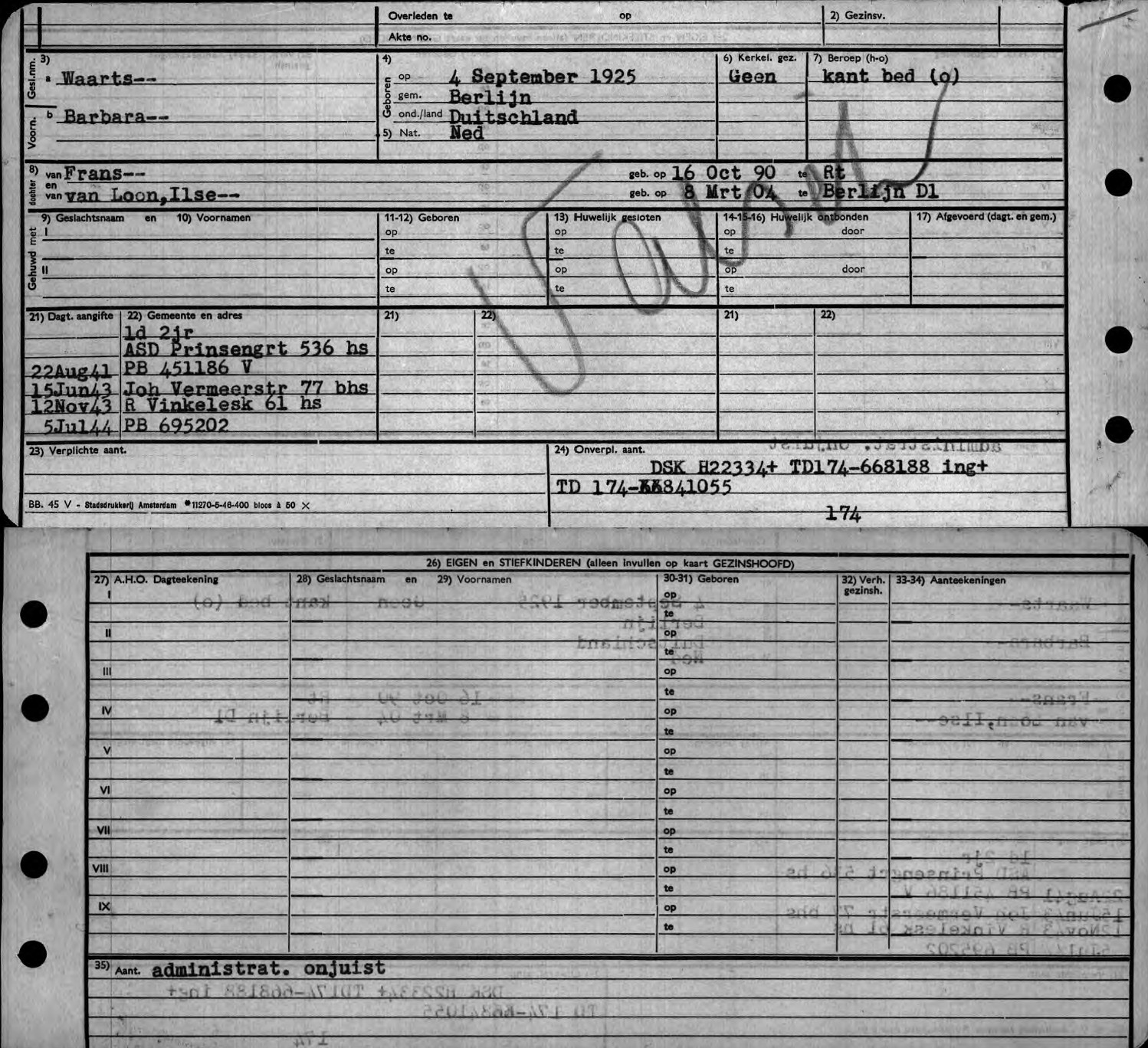
Gemeente Archief Amsterdam.
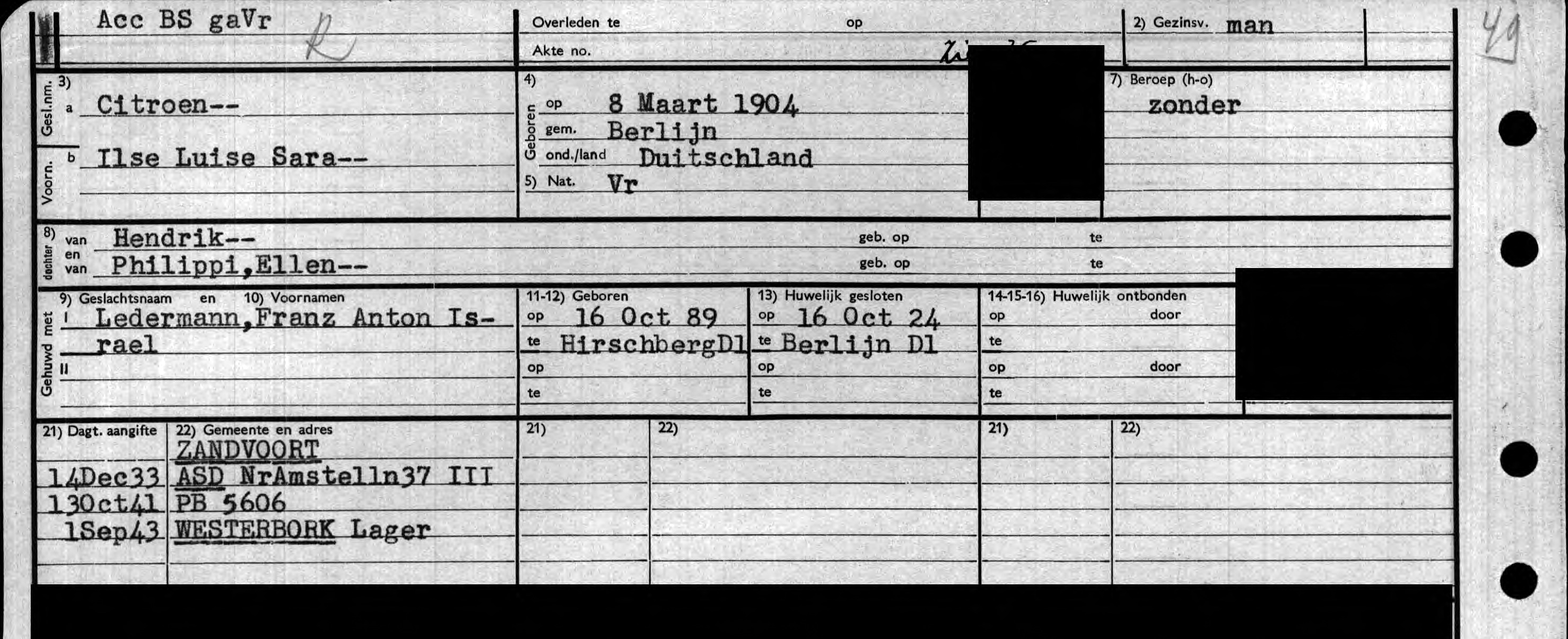
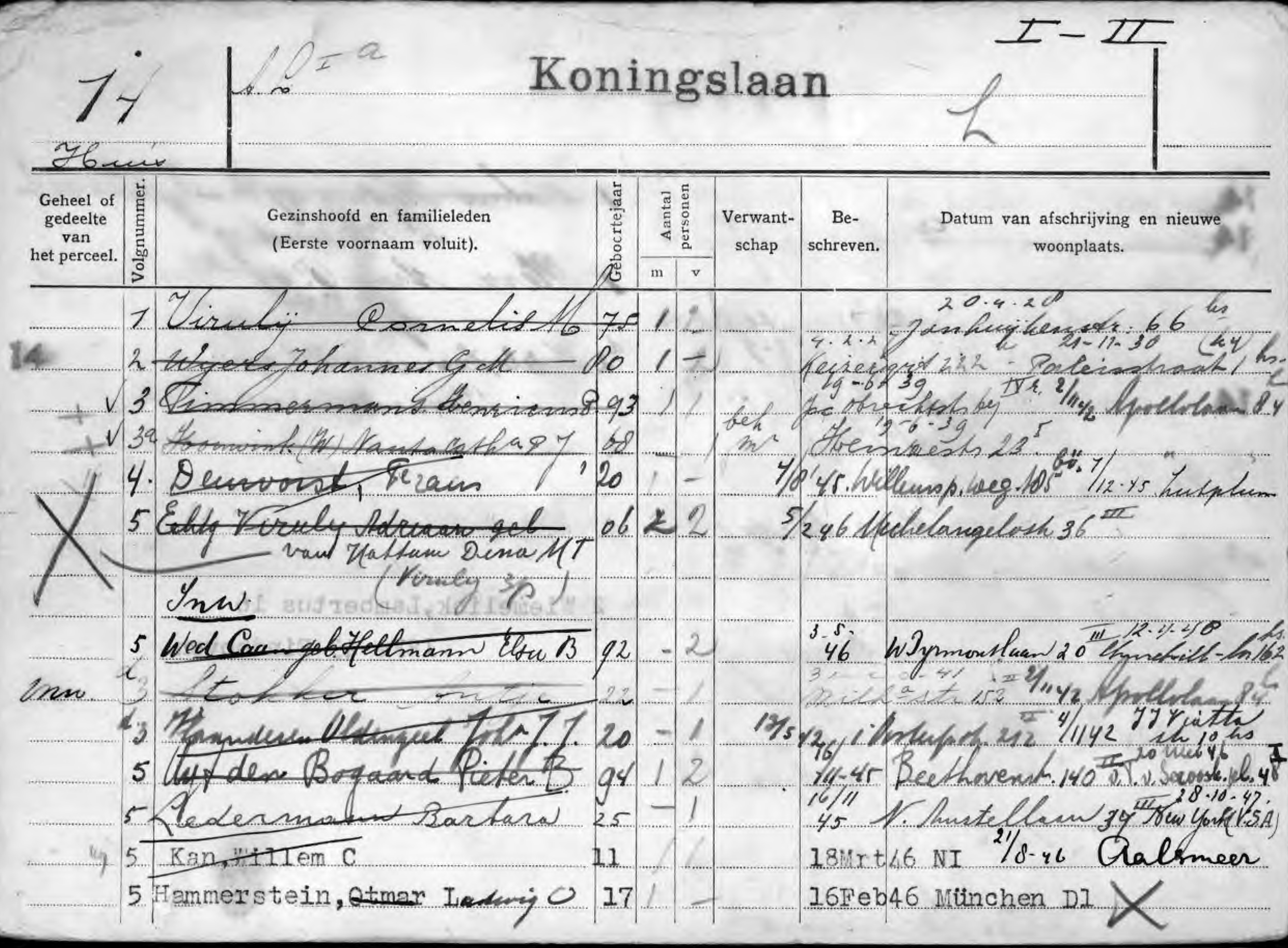
This is the address where Barbara lived after the war. It says that she left for New York on October 28th 1947.
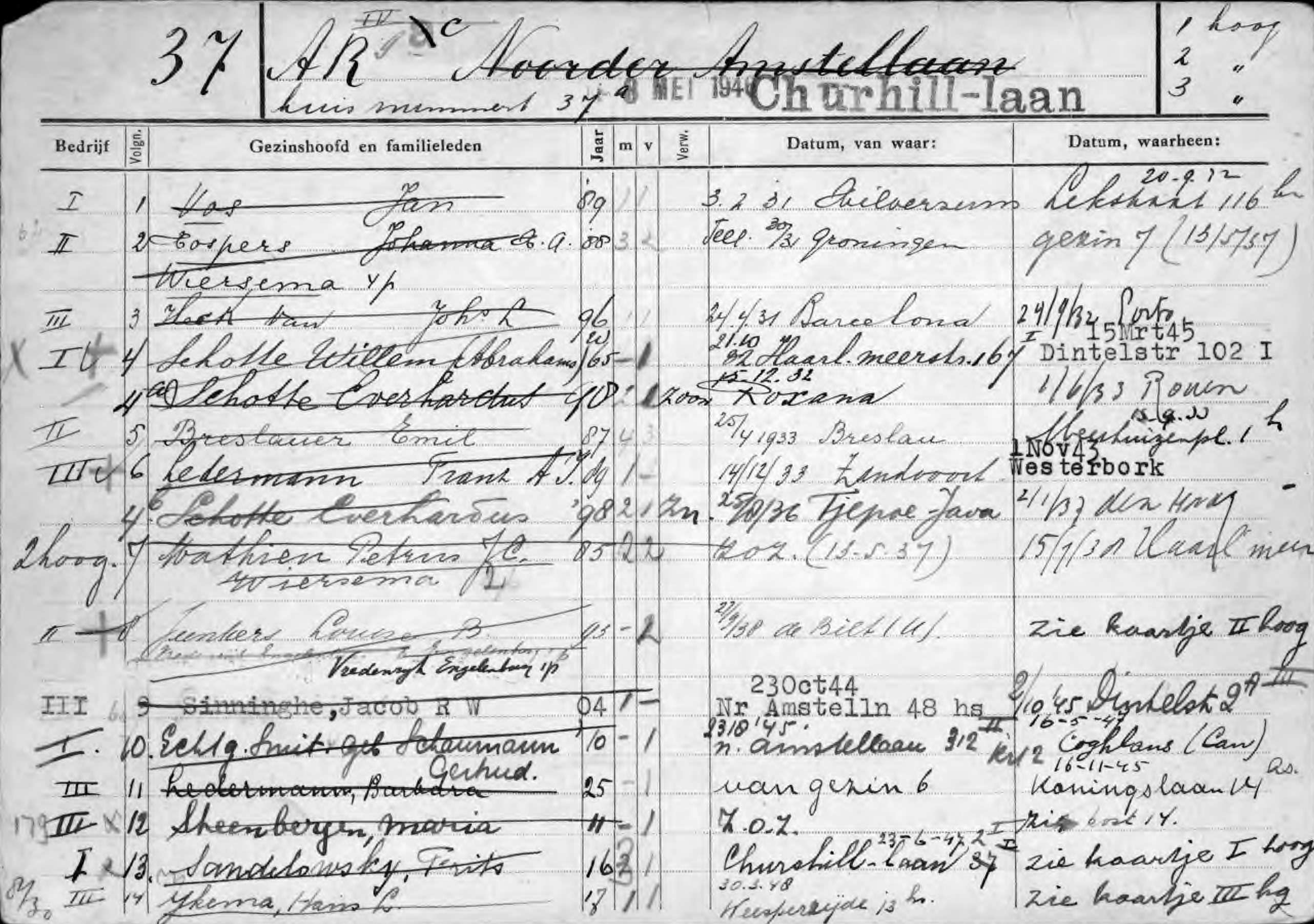
Barbara moved from this address to the Koningslaan on November 16th 1945.
DETAILS.
Name: LEDERMANN, Franz Anton Israel.
Born: October 16th 1889.
Place: Hirschberg.
Country: Germany.
Occupation: Sworn in lawyer.
Father: Benjamin Benno Ledermann.
Mother: SCHACHTEL, Lucie.
Married with: CITROEN, Ilse Luise Sara.
Born: March 8th 1904.
Place Berlin, Germany.
Marriage: October 16th 1924, Berlin, Germany.
Community and address:
ZANDVOORT
December 14th 1933, AMSTERDAM, Noorder Amstellaan 37III.
ID card number: 10003.
November 1st 1943, Wetserbork Concentration Camp.
Children:
LEDERMANN, Barbara.
LEDERMANN, Susanne.
Born: October 16th 1889.
Place: Hirschberg.
Country: Germany.
Occupation: Sworn in lawyer.
Father: Benjamin Benno Ledermann.
Mother: SCHACHTEL, Lucie.
Married with: CITROEN, Ilse Luise Sara.
Born: March 8th 1904.
Place Berlin, Germany.
Marriage: October 16th 1924, Berlin, Germany.
Community and address:
ZANDVOORT
December 14th 1933, AMSTERDAM, Noorder Amstellaan 37III.
ID card number: 10003.
November 1st 1943, Wetserbork Concentration Camp.
Children:
LEDERMANN, Barbara.
LEDERMANN, Susanne.
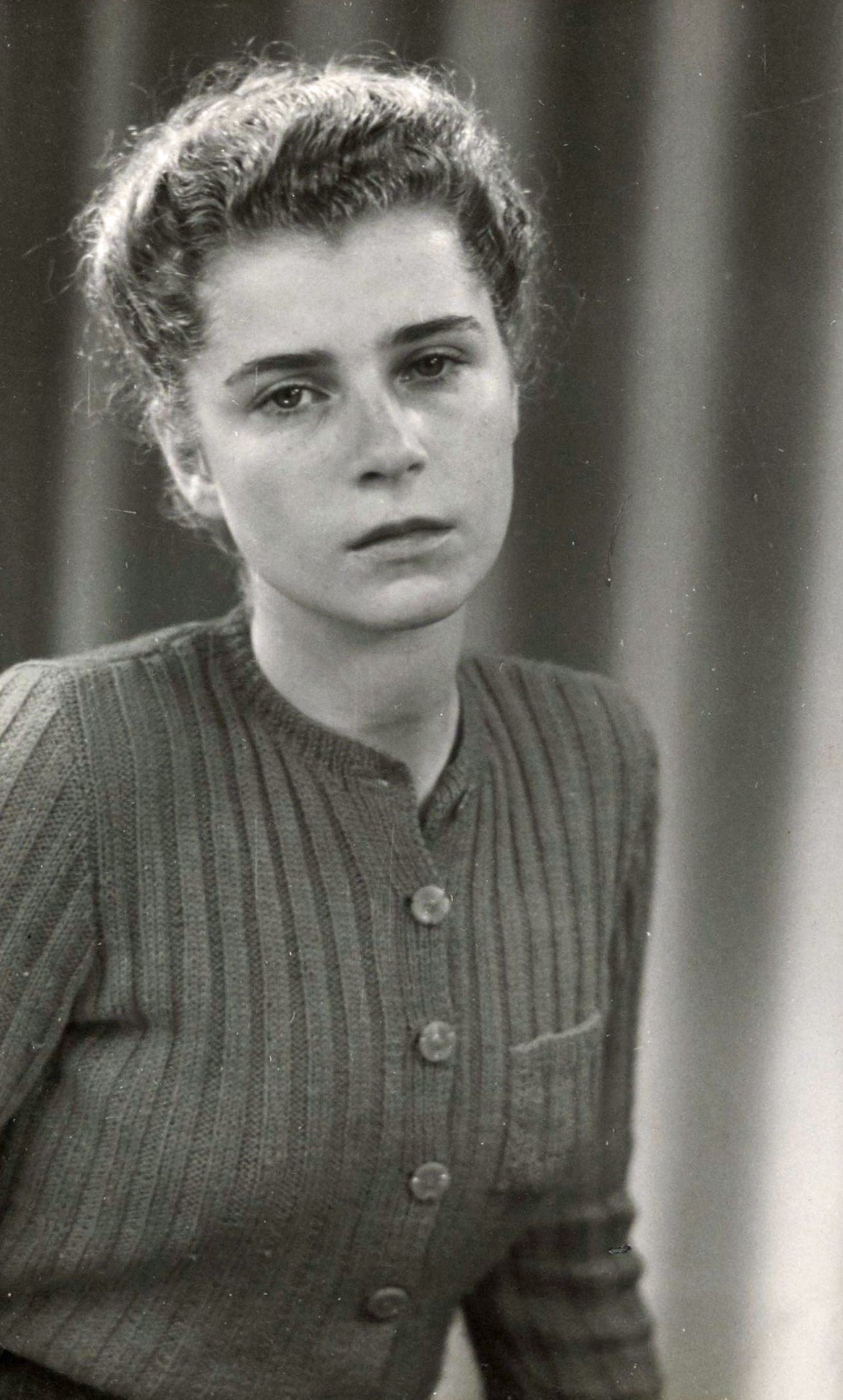
Barbara in 1944.
weggum.com